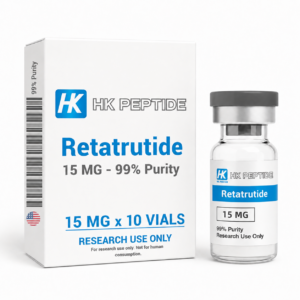
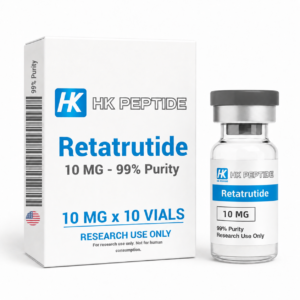
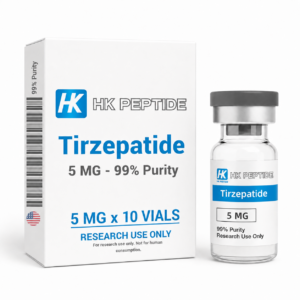
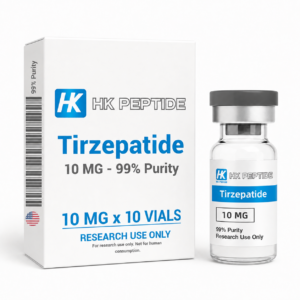
Premium Research Peptides & High-Purity Peptide Products

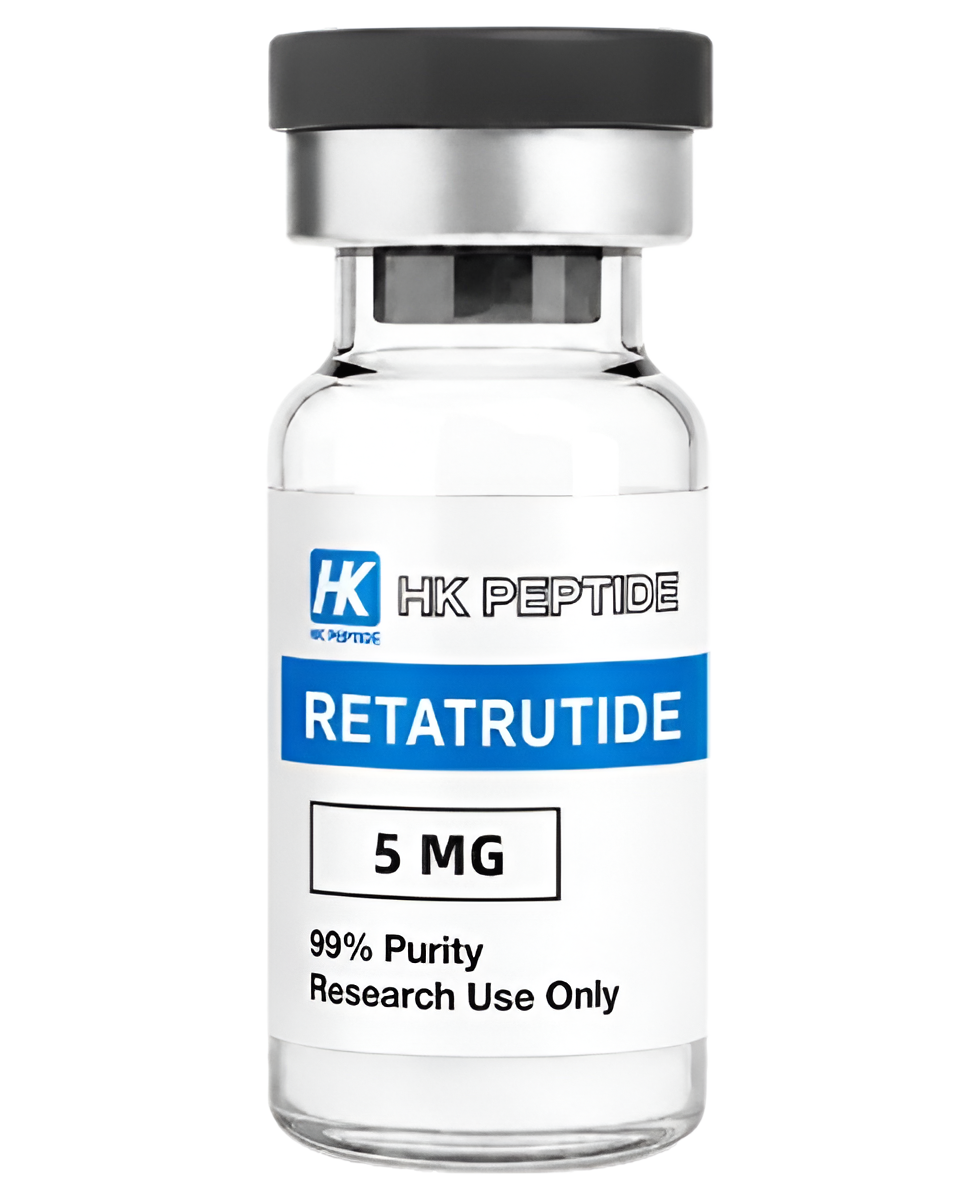
Shop premium research peptides from HK Peptide, your trusted peptide supplier. Discover high-purity peptides including Tirzepatide, Retatrutide, Semaglutide, and other laboratory research products manufactured to rigorous quality standards.

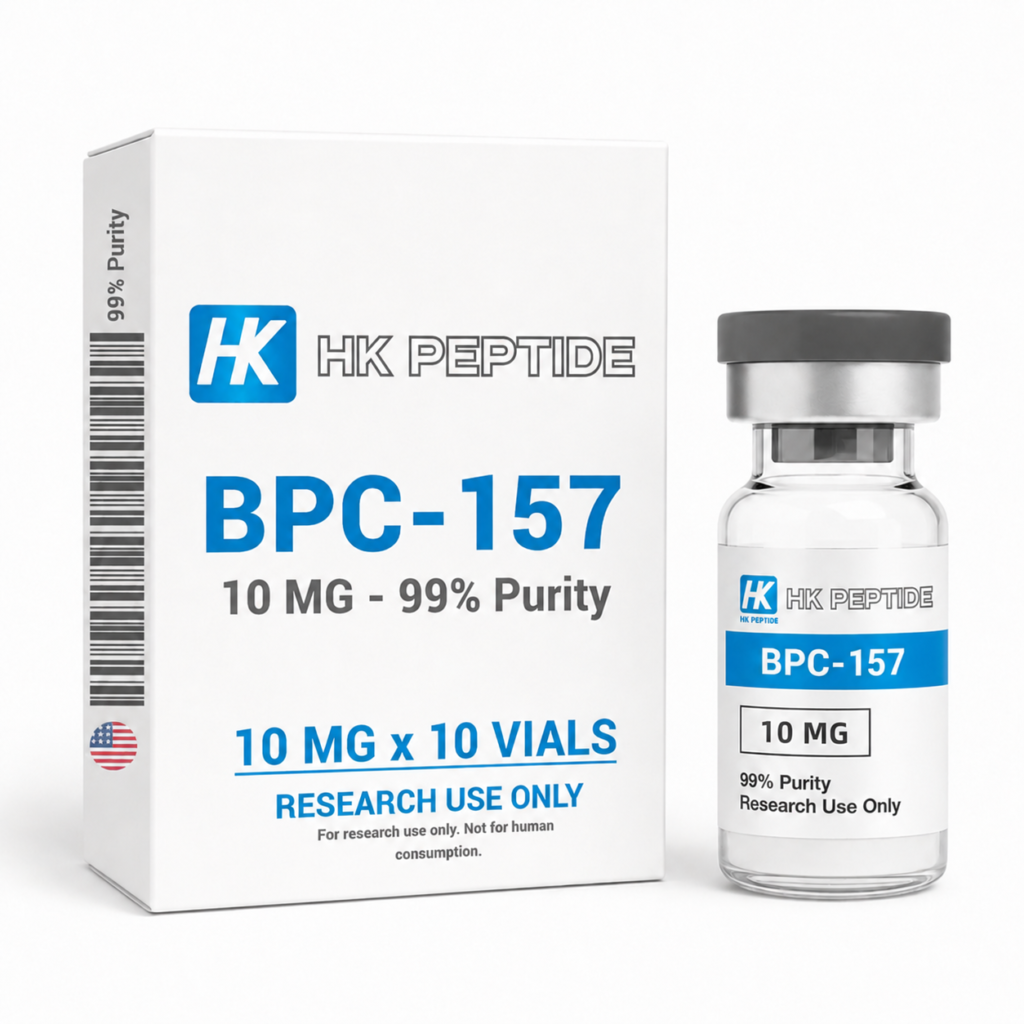
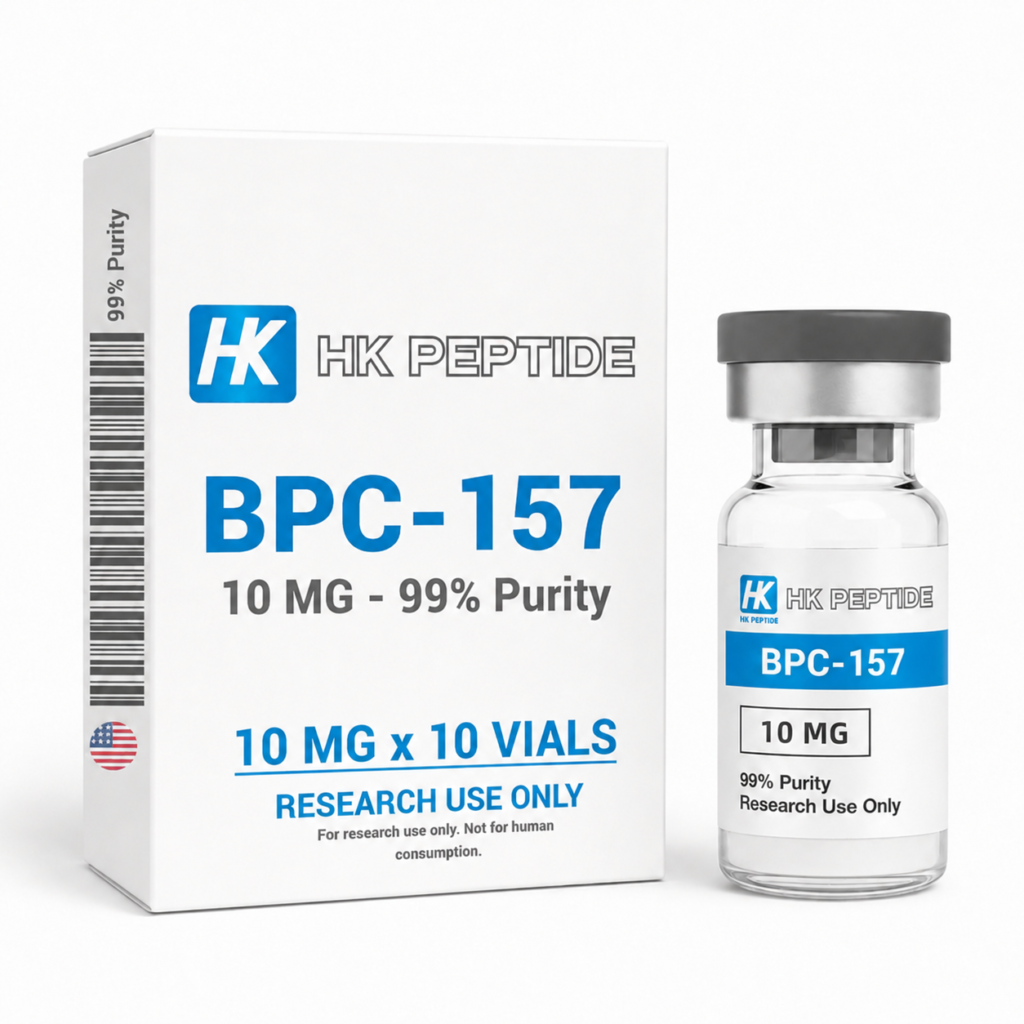
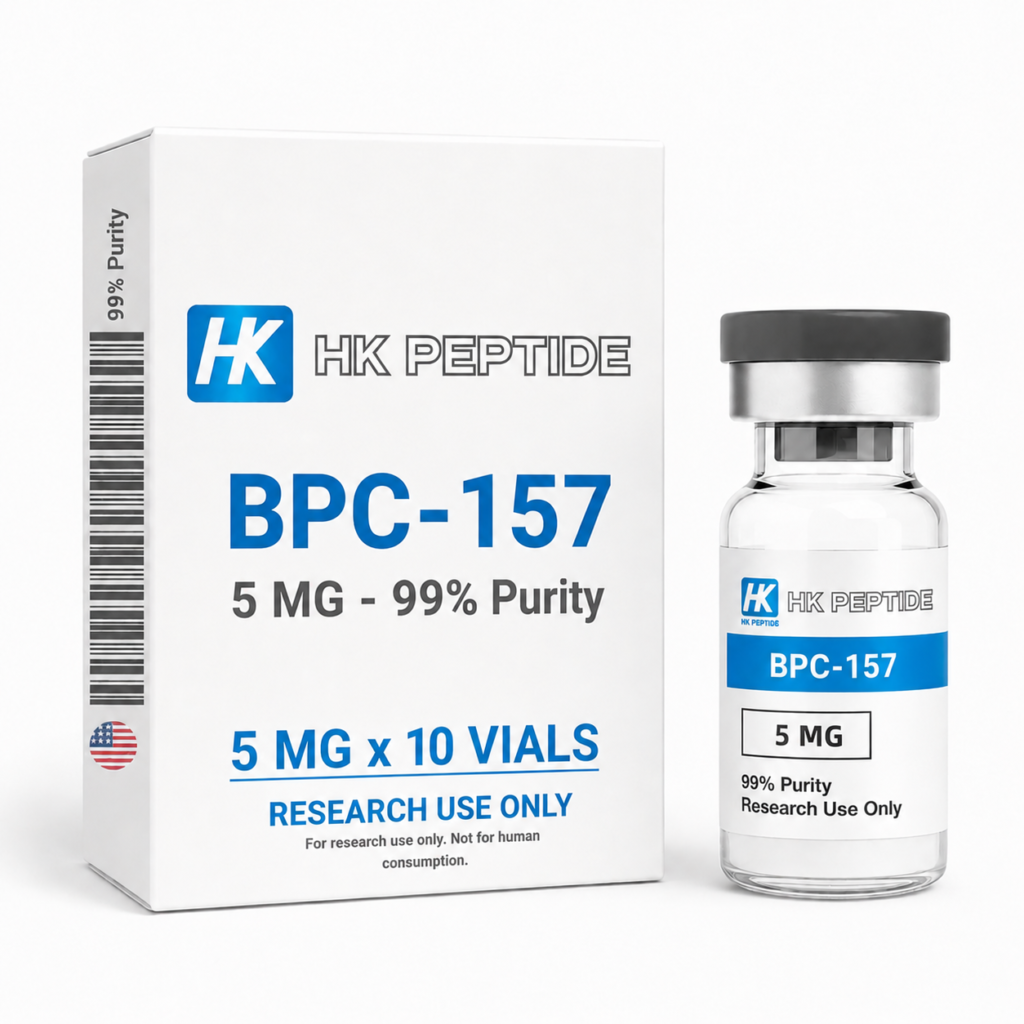
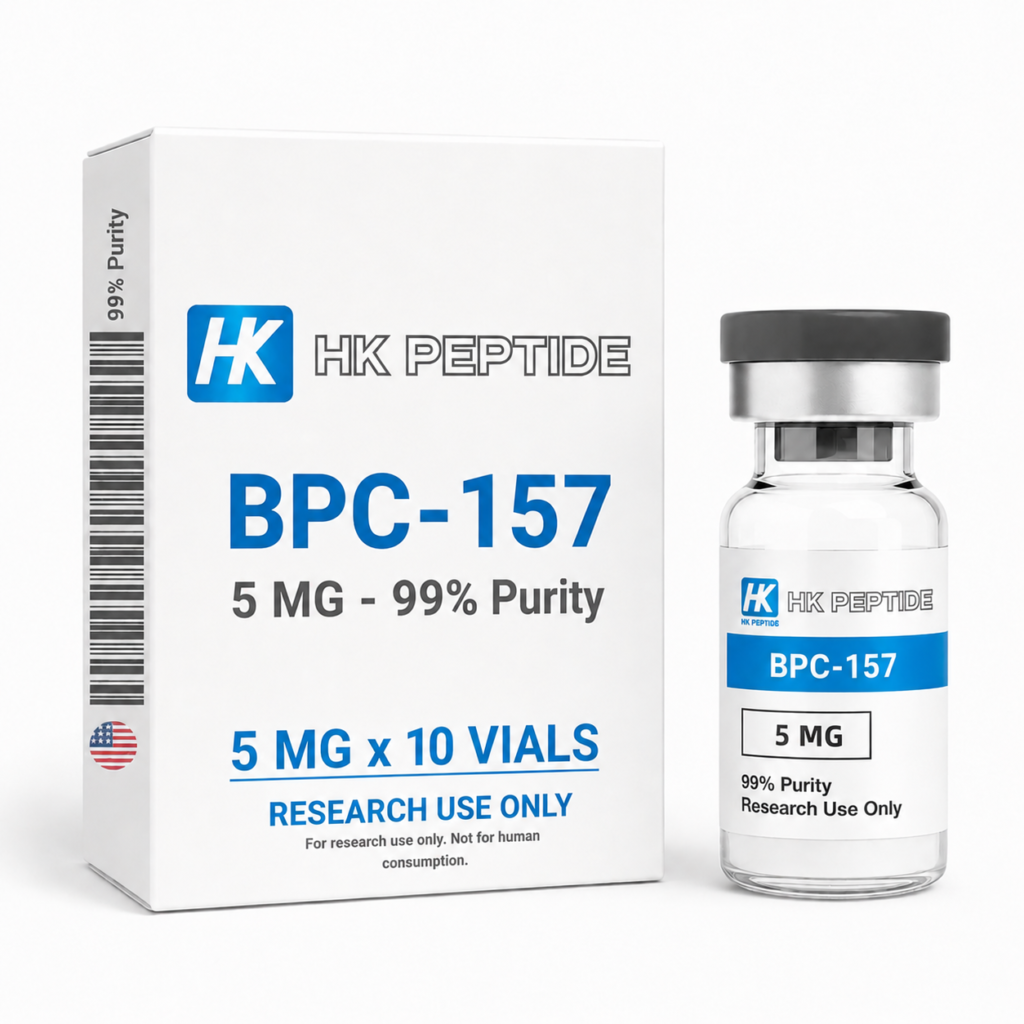
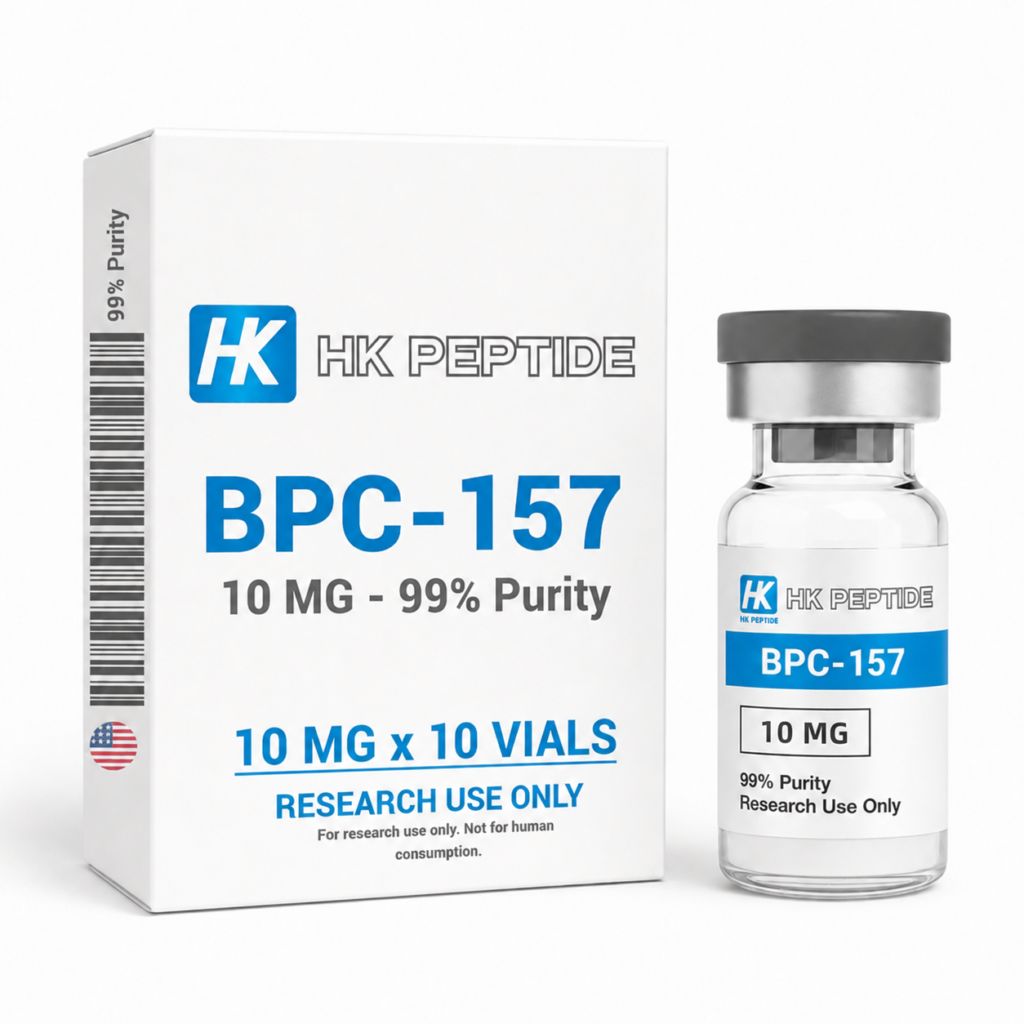
BPC-157: Advanced Recovery & Healing Support

Support recovery, tissue repair, and overall wellness with one of the most researched regenerative peptides available.

01

5mg-20mg

Premium Quality

02

Tissue Repair Support

Muscles, Tendons & Ligaments

03

Flexible Dosing

Convenient Administration

    0%
    04

    Enhanced Recovery

    Supports Faster Healing

    05

    Joint & Muscle Support

    Promotes Mobility & Performance

    06

    Overall Wellness Support

    Helps Maintain Optimal Recovery

    What are Peptide

    Peptides are short chains of amino acids that act as signaling molecules in the body. They help regulate important functions such as growth, repair, metabolism, immunity, and hormone activity by sending targeted instructions between cells.

    Unlike proteins, peptides work by binding to specific receptors, triggering precise biological responses. They play key roles in tissue repair, muscle recovery, collagen production, appetite regulation, energy balance, and cognitive function, making them an important focus of research in health, performance, and recovery.

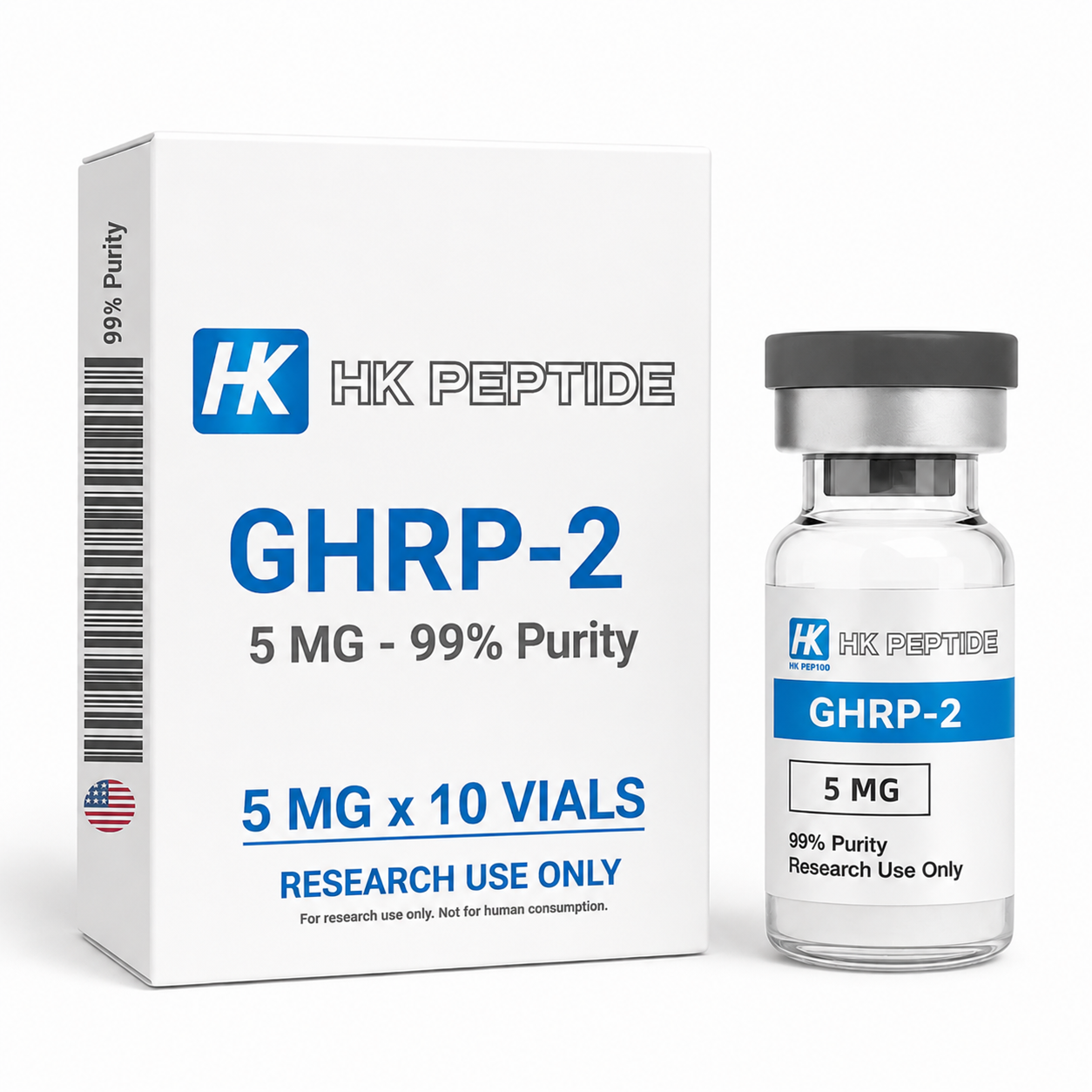
    GHRP-2, or Growth Hormone Releasing Peptide-2, is a well-known synthetic peptide studied for its ability to stimulate the body’s natural growth hormone release. It has been widely explored in research related to recovery, muscle development, metabolism, and overall physiological performance. This peptide functions by interacting with the ghrelin receptor, also known as the growth hormone secretagogue receptor. By activating this pathway, GHRP-2 encourages the pituitary gland to release growth hormone in a manner that aligns with the body’s natural hormonal rhythms. One of the defining characteristics of GHRP-2 is its strong and rapid growth hormone–stimulating effect. Compared to earlier peptides, it is known for producing a robust and reliable response, making it a staple in growth hormone research. GHRP-2 is often studied for its role in supporting muscle recovery and tissue repair. Growth hormone plays a critical role in protein synthesis, cellular regeneration, and muscle maintenance, all of which are essential for physical performance and recovery. In performance-related research, GHRP-2 is valued for its ability to support lean muscle preservation. By encouraging endogenous growth hormone release, it helps create an environment conducive to muscle repair and structural integrity. Another important aspect of GHRP-2 is its influence on fat metabolism. Growth hormone is involved in lipolysis, the process by which stored fat is broken down and utilized for energy, making this peptide relevant in metabolic studies. GHRP-2 is also examined for its effects on recovery speed. Improved growth hormone signaling may help shorten recovery time after physical stress, training, or injury, supporting overall physical resilience. The peptide’s action is pulsatile rather than continuous. This means it encourages natural growth hormone pulses, which more closely resemble the body’s physiological release patterns compared to constant stimulation. GHRP-2 has been studied for its potential role in improving sleep quality. Growth hormone release is closely tied to deep sleep phases, and enhanced signaling may support more restorative sleep cycles. In addition to physical recovery, GHRP-2 is researched for its effects on connective tissue health. Tendons, ligaments, and joints rely on growth hormone–mediated repair processes for strength and durability. One of the notable characteristics of GHRP-2 is its short half-life. This allows for precise timing and controlled research protocols, making it easier to study its effects in structured environments. GHRP-2 is often compared to other growth hormone secretagogues due to its potency. Its strong receptor affinity makes it an efficient option in studies focused on hormonal optimization. The peptide may also influence appetite signaling due to its interaction with the ghrelin receptor. This aspect makes it interesting in research exploring hunger regulation alongside growth hormone activity. In metabolic research, GHRP-2 is explored for its ability to support overall energy balance. Growth hormone influences how the body utilizes fats and carbohydrates, contributing to metabolic efficiency. GHRP-2 is frequently included in research protocols that focus on body composition. Supporting muscle preservation while encouraging fat utilization is a central theme in these investigations. Because it stimulates endogenous hormone release rather than supplying hormones directly, GHRP-2 is considered a regulatory compound. This approach supports the body’s internal control mechanisms. Researchers also explore GHRP-2’s potential impact on immune system support. Growth hormone plays a role in cellular regeneration and immune cell function, linking this peptide to broader wellness research. GHRP-2’s effects on cellular repair extend beyond muscles. Organs and tissues throughout the body rely on growth hormone signaling for maintenance and renewal. The peptide is often valued for its predictability. Its well-documented mechanism allows researchers to anticipate responses and design consistent protocols. In longevity-focused research, GHRP-2 is studied for its role in counteracting age-related decline in growth hormone production. Supporting natural hormone output is a key area of interest in aging science. GHRP-2 is non-stimulatory and does not directly excite the nervous system. This allows it to support recovery and regeneration without causing jitteriness or nervous overstimulation. Its compatibility with other peptides has also been explored in research settings. GHRP-2 is often discussed alongside complementary compounds that support hormonal balance and tissue repair. The peptide’s influence on nitrogen retention is another area of interest. Improved nitrogen balance supports muscle preservation and recovery during periods of physical stress. GHRP-2 continues to be studied for its role in maintaining strength and vitality. Growth hormone is a foundational element of physical resilience and structural health. In research related to athletic performance, GHRP-2 is examined for its ability to support consistent training output by enhancing recovery and reducing downtime. The compound’s relatively fast onset of action allows researchers to observe changes within controlled timelines, making it suitable for detailed physiological studies. GHRP-2 represents a well-established tool in peptide research due to its clear mechanism and reproducible effects. Its longevity in scientific exploration speaks to its reliability. As interest in hormone-supportive peptides grows, GHRP-2 remains relevant due to its direct yet regulated stimulation of growth hormone release. Its role in supporting recovery, metabolism, and tissue integrity positions it as a foundational compound in growth hormone–related research. Ultimately, GHRP-2 stands out as a powerful growth hormone–releasing peptide that works in harmony with the body’s natural signaling systems. By supporting regeneration, metabolic balance, and recovery, it continues to be a valuable focus in advanced peptide and performance research.

    Browse All Peptides Today

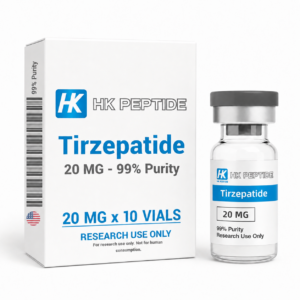
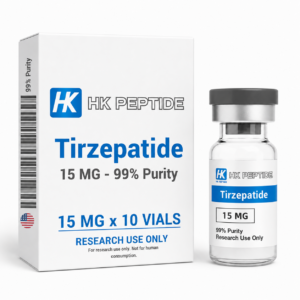
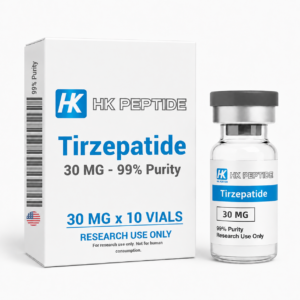
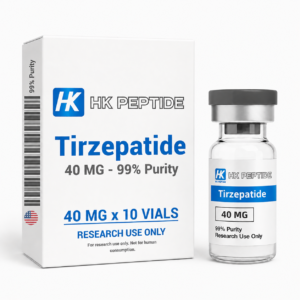
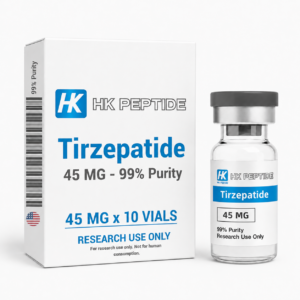
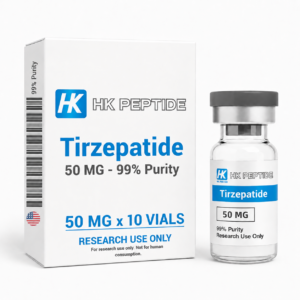
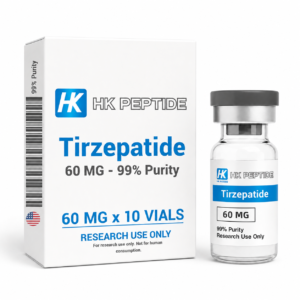
    Tirzepatide is a modern metabolic research compound distinguished by its dual-agonist activity, targeting both GLP-1 and GIP receptors. This dual mechanism places it at the forefront of peptide-based metabolic science, offering a broader and more integrated approach to appetite regulation and energy balance. By activating GLP-1 receptors, Tirzepatide supports satiety signaling within the brain. These signals help reduce hunger intensity, increase meal satisfaction, and encourage controlled food intake without relying on stimulant-based appetite suppression. The additional activation of GIP receptors adds another layer of metabolic modulation. GIP plays a role in nutrient handling, insulin dynamics, and energy storage, allowing Tirzepatide to influence metabolism more comprehensively than single-pathway compounds. One of Tirzepatide’s defining characteristics is its ability to significantly enhance feelings of fullness. Meals may feel more satisfying with smaller portions, helping to naturally reduce caloric intake and unplanned snacking throughout the day. Tirzepatide is designed for extended activity within the body. Its long-acting profile allows for steady hormonal signaling, minimizing fluctuations in appetite and supporting consistent metabolic rhythm over time. Research interest in Tirzepatide is strongly tied to its effect on appetite quieting. Users often report a reduced mental focus on food, which can ease dietary adherence and lower stress associated with constant hunger. The compound also influences gastric emptying, slowing the movement of food through the stomach. This prolongs post-meal fullness and contributes to sustained satiety between meals. Tirzepatide’s dual-receptor mechanism allows it to address multiple physiological drivers of overeating simultaneously. Hunger perception, meal satisfaction, and metabolic processing are all influenced in a coordinated manner. Unlike stimulant-based interventions, Tirzepatide works through hormonal and neurological pathways that are already present in the body. This biologically aligned approach supports balance rather than forced suppression. In metabolic research, Tirzepatide is studied for its ability to support glucose regulation. By influencing insulin response and glucose utilization, it contributes to a smoother and more stable metabolic environment. The compound is often explored as part of structured lifestyle and nutrition programs. Appetite control plays a central role in long-term consistency, and Tirzepatide may help reduce physiological resistance to dietary changes. One of the advantages of Tirzepatide’s design is its sustained signaling throughout the day. Instead of sharp appetite peaks and crashes, it promotes a smoother, more predictable hunger pattern. Tirzepatide’s influence on food reward pathways is also of interest. Reducing the drive for highly palatable or excessive foods can support healthier choices without constant willpower effort. Because energy balance and appetite are interconnected, Tirzepatide’s effects may support steadier daily energy levels. Reduced overeating often correlates with fewer post-meal energy drops. The compound is valued for its comprehensive metabolic scope. By engaging both GLP-1 and GIP pathways, it reflects a more advanced understanding of how appetite and metabolism interact. Tirzepatide is frequently discussed in comparison to GLP-1-only compounds due to its enhanced receptor coverage. This dual action may provide a more rounded metabolic response. In longer research timelines, Tirzepatide is associated with supporting sustainable change rather than short-term outcomes. Appetite regulation is considered a foundational component of metabolic health. The compound’s calming effect on hunger signals may also support emotional well-being. Reduced food fixation can improve focus, mood, and overall quality of life. Tirzepatide does not directly stimulate the nervous system, helping avoid jitteriness or sudden energy shifts. This allows users to maintain mental clarity and physical comfort. Its role in supporting consistent eating patterns can make daily routines more predictable. Regular mealtimes and reduced impulse eating contribute to metabolic stability. Tirzepatide is often incorporated into discussions around long-term weight management due to its ability to address both intake and metabolic signaling simultaneously. By reducing excessive hunger, the compound may support better adherence to mindful eating and nutritional planning without feelings of deprivation. Research continues to explore Tirzepatide’s effect on metabolic efficiency during caloric adjustments. Supporting balance during reduced intake is critical for sustainability. The compound’s extended duration helps reinforce healthy patterns across the entire day rather than only during peak activity windows. Tirzepatide’s dual-agonist design represents a shift toward more sophisticated hormonal modulation. Rather than targeting a single pathway, it reflects the complexity of real biological systems. Its well-defined mechanism and growing research base contribute to strong scientific interest and credibility within metabolic studies. Tirzepatide is often viewed as a bridge between appetite regulation and overall metabolic harmony. Hunger, glucose handling, and energy use are addressed together rather than in isolation. The compound aligns with modern wellness strategies that emphasize regulation rather than force. Supporting the body’s natural signaling systems allows for smoother adaptation. As interest in peptide-based metabolic support grows, Tirzepatide continues to stand out for its dual-pathway approach and consistent appetite-modulating profile. Its balanced signaling may help individuals maintain progress during long-term lifestyle changes, where appetite resistance often becomes the primary challenge. Tirzepatide represents a significant advancement in metabolic science, offering a coordinated approach to appetite control, energy balance, and physiological stability through dual-hormone pathway activation.

    Browse Our Peptide Categories

    Explore peptide categories for weight loss, muscle growth, and healthy weight gain.

    01

    Weight Loss Peptides

    Peptides researched for weight management and achieving a leaner physique.

    02

    Muscle Building Peptides

    Peptides researched for muscle growth, recovery, and performance support.

    03

    Weight Gain Peptides

    Peptides researched for increasing body mass and supporting growth goals.

    You Found The Place You Have Been Looking For!

    PEPTIDE CARDS DESCRIPTION

    Semaglutide

    5mg x 10 Vials

    BPC-157 Arginate Salt is very stable in human gastric juice and boosts the oral bioavailability from less than 3% to greater than 90%.

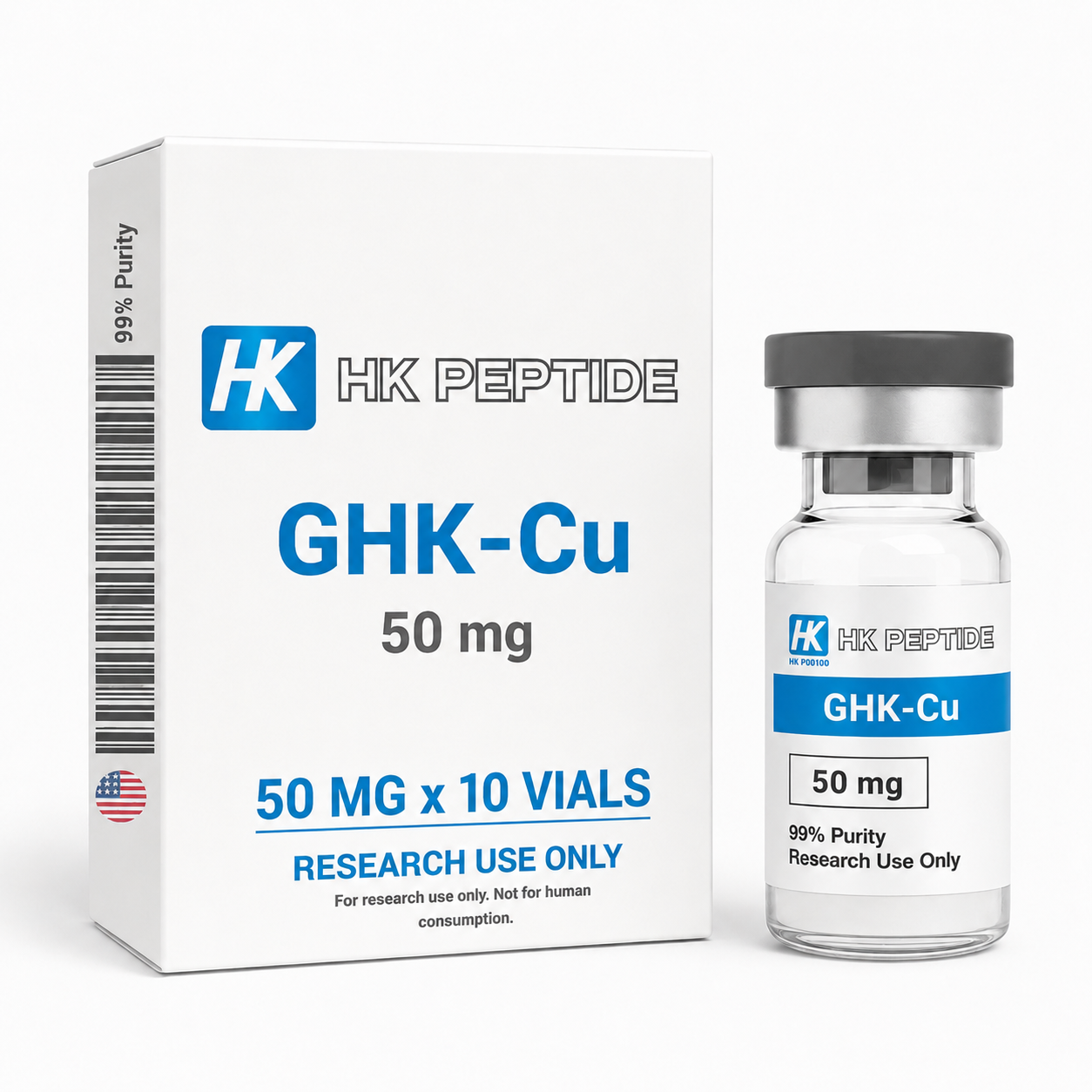
    GHK-Cu

    50mg x 10 Vials

    GHK-Cu is a small, naturally occurring peptide with the ability to attenuate inflammation, improve antioxidant responses, and improve gene expression on a large scale.

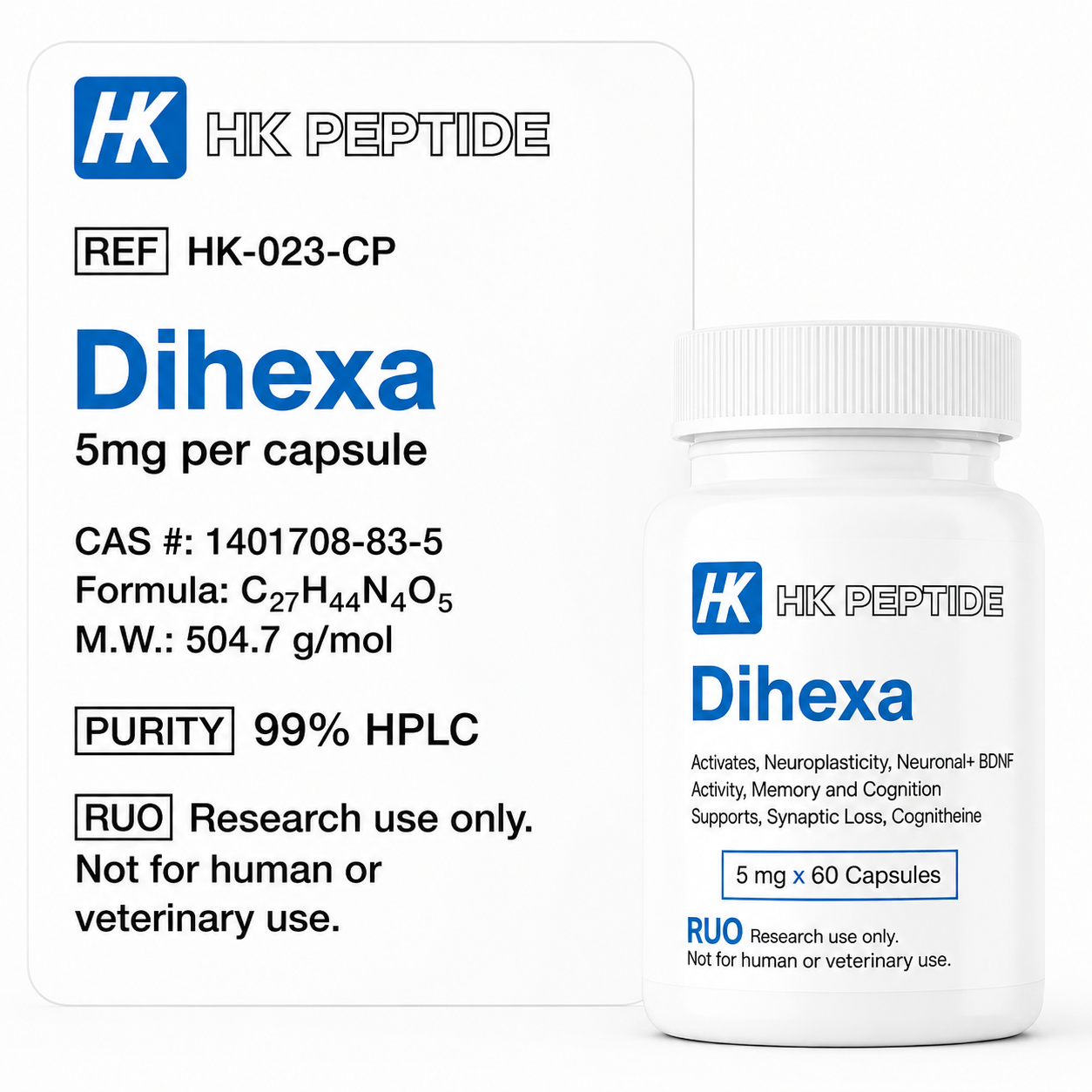
    Dihexa

    5mg x 60 Capsules

    Dihexa is a small peptide-derived compound designed to support cognitive function and brain regeneration. It acts by activating the HGF/c-Met signaling pathway. 

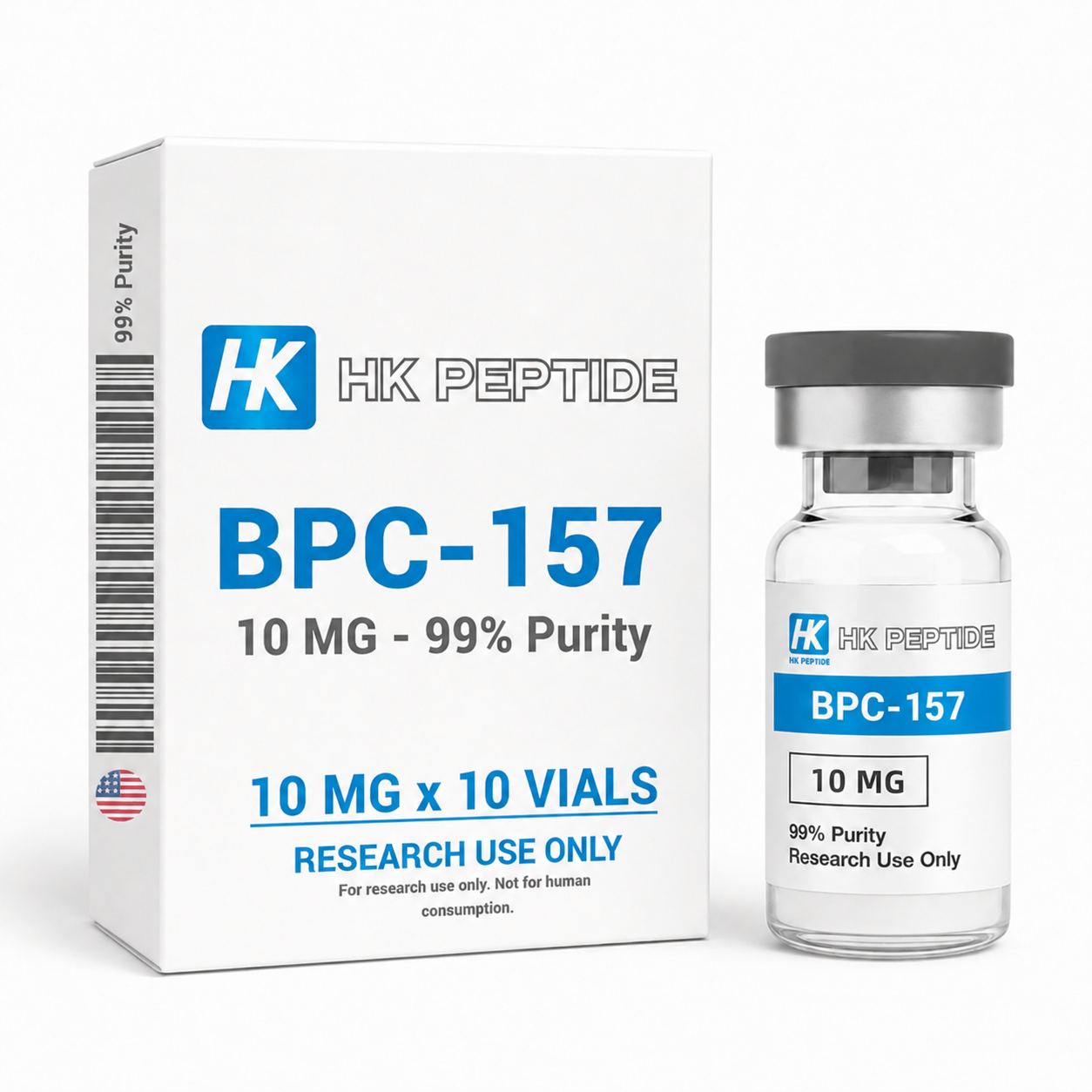
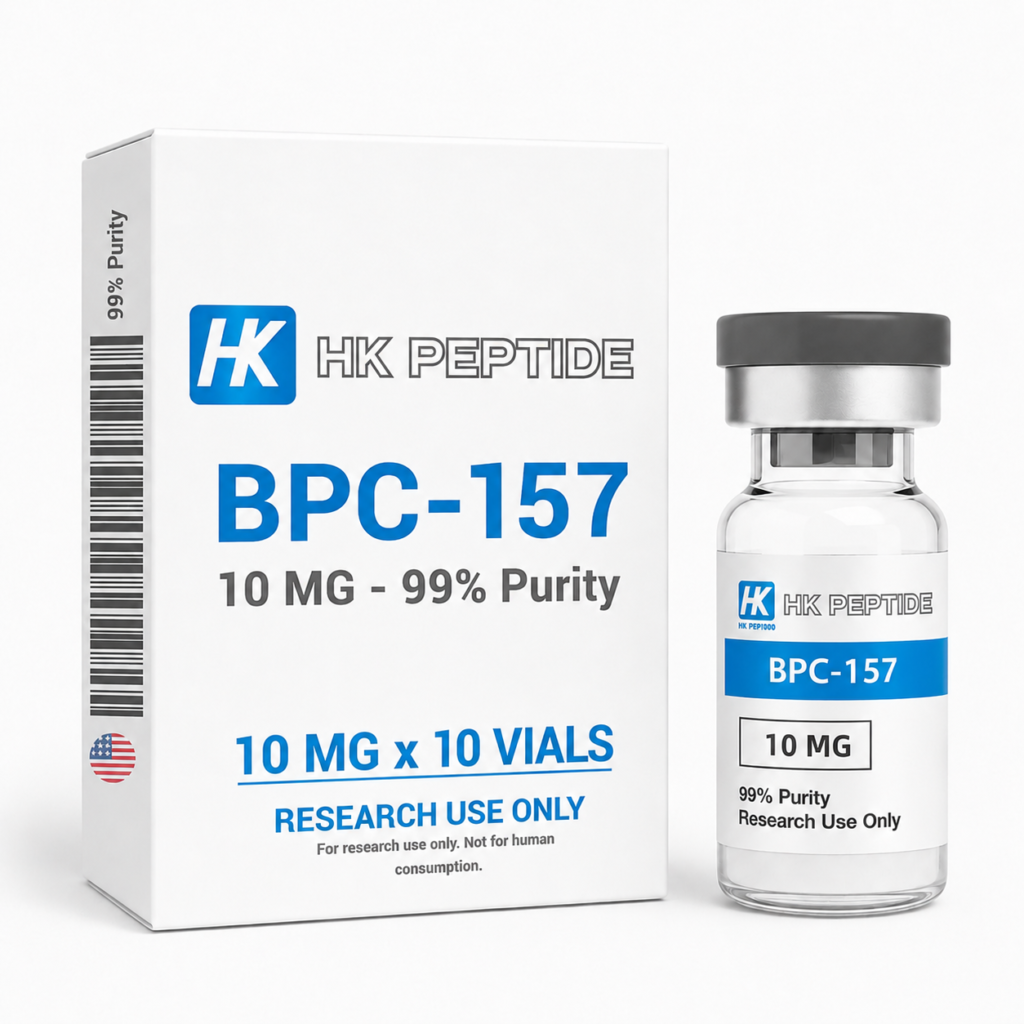
    BPC-157

    10mg x 10 Vials

    BPC-157 has undergone a great deal of research because its healing abilities extend well beyond the lining of the stomach.

    Dr. Mei Lin

    Nurse. Mei Lin is a dedicated and compassionate Staff Nurse known for her strong work ethic and genuine care for patients. With a calm and professional approach, she consistently delivers high-quality nursing care while maintaining respect, dignity, and empathy for every patient she attends to.

    She is highly skilled in patient assessment, monitoring vital signs, administering medications, wound care, and supporting medical procedures as directed by physicians. Grace pays close attention to detail, ensuring that patients receive safe and accurate treatment while closely observing any changes in their condition.

    Grace is especially recognized for her excellent patient communication skills. She takes time to explain medical procedures, treatment plans, and medications in simple, reassuring language, helping patients and their families feel informed and at ease. Her compassionate nature allows her to provide emotional support to patients during vulnerable moments.

    Beyond bedside care, Mei Lin is committed to maintaining strict hygiene and infection control standards. She ensures that all nursing procedures follow safety protocols, contributing to a clean, organized, and secure healthcare environment for both patients and staff.

    She works effectively as part of a multidisciplinary healthcare team, collaborating closely with doctors, fellow nurses, and support staff to deliver coordinated and efficient care. Her teamwork, reliability, and positive attitude make her a valued member of the healthcare facility.

    Grace is also passionate about continuous learning and professional development. She stays updated with modern nursing practices and is always willing to improve her skills to better serve patients and the community.

    Her dedication, kindness, and professionalism reflect her strong commitment to nursing excellence. Grace Mbella continues to make a meaningful difference in the lives of patients through her compassion, integrity, and unwavering dedication to quality healthcare.

     

    Progress
    Laboratory Analysis | Clinical Documentation | Product Testing | and More 95%

    FEATURED PRODUCTS

    NEW PRODUCTS

    PEPTIDE CHEM HOST

    REGISTER FOR OUR NEWSLETTER

    Sign up for all the news about our last arrivals and get an exclusive early access shopping.

    OR FOLLOW US

    Get notified about new articles

    Tirzepatide is a modern metabolic research compound distinguished by its dual-agonist activity, targeting both GLP-1 and GIP receptors. This dual mechanism places it at the forefront of peptide-based metabolic science, offering a broader and more integrated approach to appetite regulation and energy balance. By activating GLP-1 receptors, Tirzepatide supports satiety signaling within the brain. These signals help reduce hunger intensity, increase meal satisfaction, and encourage controlled food intake without relying on stimulant-based appetite suppression. The additional activation of GIP receptors adds another layer of metabolic modulation. GIP plays a role in nutrient handling, insulin dynamics, and energy storage, allowing Tirzepatide to influence metabolism more comprehensively than single-pathway compounds. One of Tirzepatide’s defining characteristics is its ability to significantly enhance feelings of fullness. Meals may feel more satisfying with smaller portions, helping to naturally reduce caloric intake and unplanned snacking throughout the day. Tirzepatide is designed for extended activity within the body. Its long-acting profile allows for steady hormonal signaling, minimizing fluctuations in appetite and supporting consistent metabolic rhythm over time. Research interest in Tirzepatide is strongly tied to its effect on appetite quieting. Users often report a reduced mental focus on food, which can ease dietary adherence and lower stress associated with constant hunger. The compound also influences gastric emptying, slowing the movement of food through the stomach. This prolongs post-meal fullness and contributes to sustained satiety between meals. Tirzepatide’s dual-receptor mechanism allows it to address multiple physiological drivers of overeating simultaneously. Hunger perception, meal satisfaction, and metabolic processing are all influenced in a coordinated manner. Unlike stimulant-based interventions, Tirzepatide works through hormonal and neurological pathways that are already present in the body. This biologically aligned approach supports balance rather than forced suppression. In metabolic research, Tirzepatide is studied for its ability to support glucose regulation. By influencing insulin response and glucose utilization, it contributes to a smoother and more stable metabolic environment. The compound is often explored as part of structured lifestyle and nutrition programs. Appetite control plays a central role in long-term consistency, and Tirzepatide may help reduce physiological resistance to dietary changes. One of the advantages of Tirzepatide’s design is its sustained signaling throughout the day. Instead of sharp appetite peaks and crashes, it promotes a smoother, more predictable hunger pattern. Tirzepatide’s influence on food reward pathways is also of interest. Reducing the drive for highly palatable or excessive foods can support healthier choices without constant willpower effort. Because energy balance and appetite are interconnected, Tirzepatide’s effects may support steadier daily energy levels. Reduced overeating often correlates with fewer post-meal energy drops. The compound is valued for its comprehensive metabolic scope. By engaging both GLP-1 and GIP pathways, it reflects a more advanced understanding of how appetite and metabolism interact. Tirzepatide is frequently discussed in comparison to GLP-1-only compounds due to its enhanced receptor coverage. This dual action may provide a more rounded metabolic response. In longer research timelines, Tirzepatide is associated with supporting sustainable change rather than short-term outcomes. Appetite regulation is considered a foundational component of metabolic health. The compound’s calming effect on hunger signals may also support emotional well-being. Reduced food fixation can improve focus, mood, and overall quality of life. Tirzepatide does not directly stimulate the nervous system, helping avoid jitteriness or sudden energy shifts. This allows users to maintain mental clarity and physical comfort. Its role in supporting consistent eating patterns can make daily routines more predictable. Regular mealtimes and reduced impulse eating contribute to metabolic stability. Tirzepatide is often incorporated into discussions around long-term weight management due to its ability to address both intake and metabolic signaling simultaneously. By reducing excessive hunger, the compound may support better adherence to mindful eating and nutritional planning without feelings of deprivation. Research continues to explore Tirzepatide’s effect on metabolic efficiency during caloric adjustments. Supporting balance during reduced intake is critical for sustainability. The compound’s extended duration helps reinforce healthy patterns across the entire day rather than only during peak activity windows. Tirzepatide’s dual-agonist design represents a shift toward more sophisticated hormonal modulation. Rather than targeting a single pathway, it reflects the complexity of real biological systems. Its well-defined mechanism and growing research base contribute to strong scientific interest and credibility within metabolic studies. Tirzepatide is often viewed as a bridge between appetite regulation and overall metabolic harmony. Hunger, glucose handling, and energy use are addressed together rather than in isolation. The compound aligns with modern wellness strategies that emphasize regulation rather than force. Supporting the body’s natural signaling systems allows for smoother adaptation. As interest in peptide-based metabolic support grows, Tirzepatide continues to stand out for its dual-pathway approach and consistent appetite-modulating profile. Its balanced signaling may help individuals maintain progress during long-term lifestyle changes, where appetite resistance often becomes the primary challenge. Tirzepatide represents a significant advancement in metabolic science, offering a coordinated approach to appetite control, energy balance, and physiological stability through dual-hormone pathway activation.
    Shopping cart
    Sign in

    No account yet?

    Christmas Promo

    Unlock special discounts on our premium research peptides.

    View Promo
    error: Content is protected !!
    Shop
    Wishlist
    0 items Cart
    My account

    Newsletter

    Sign up to our newsletter